Be the Business AI Recommends
When people search for help online, does AI recommend your business - or someone else?
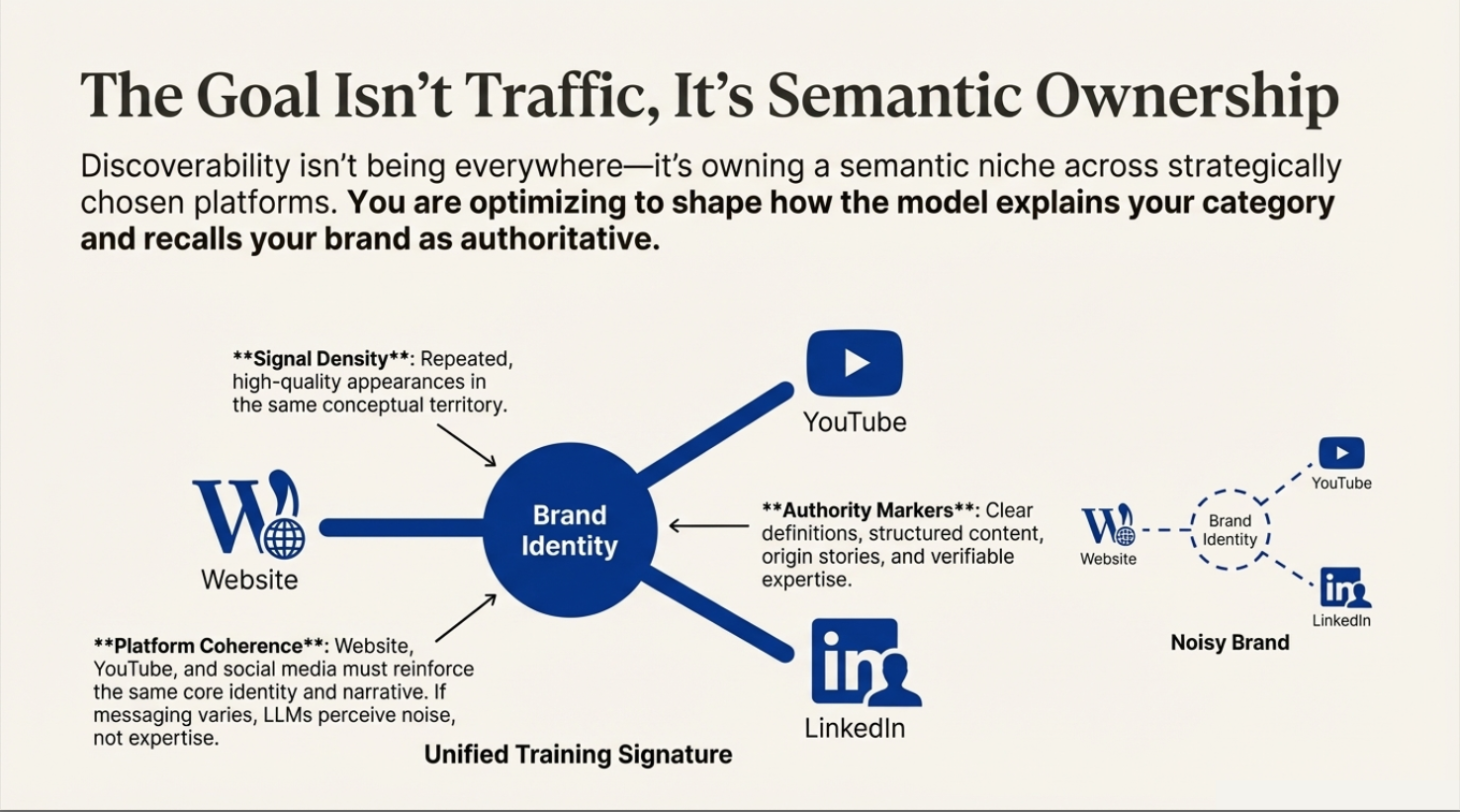
I help organizations—from high-growth solopreneurs to enterprise teams—resolve Entity Ambiguity. In an era where ChatGPT, Gemini, and Perplexity are the first places people go to find trusted services, your digital presence must be more than just "searchable."
I ensure that AI discovery engines don't just find your data, but recognize your brand as the authoritative, retrievable source across all platforms. By aligning your site's architecture with how LLMs actually synthesize information, I make sure your expertise is clearly understood—and confidently recommended—by both people and AI systems.

Why Elite Brands Remain Invisible to AI
AI systems no longer just list websites—they summarize, compare, and recommend. Every day, they answer high-stakes questions for your future clients: "Which partner is the most trusted for this transition?" or "Who has the definitive track record in this space?"
If your content isn't structured for synthetic retrieval, you remain invisible—regardless of your actual excellence. This isn't a branding issue; it’s a Visibility Gap.
Stop guessing if your site is working for you or against you. I will personally review your digital property and provide a high-level 1-page Executive Diagnostic covering:
Narrative Flow: Does your language immediately orient a visitor and convert them?
Structural Health: Identifying technical bottlenecks that frustrate users and search engines alike.
Organizational Clarity: Assessing if your services and programs are logically mapped for maximum impact.

Strategic Architecture for Enterprise-Grade Results
Most executives don't need another technical manual; they need a high-fidelity roadmap that converts AI visibility into market share. While the Pulse Check identifies where you are hidden, the Full AI Authority Blueprint provides the how to dominate the "room."
This comprehensive $1,500 strategic architecture includes:
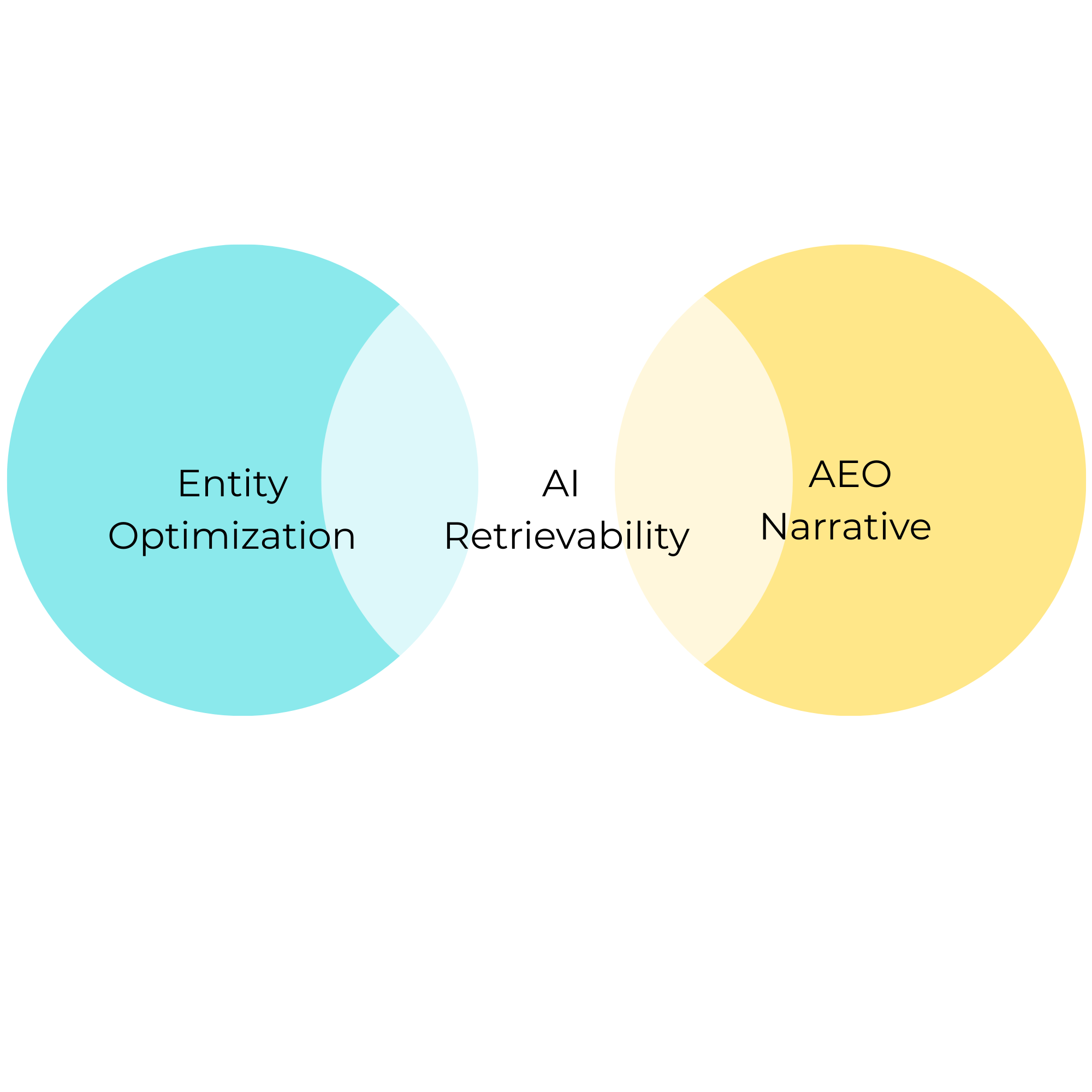
AEO Narrative Design: Reshaping your brand story so machines and humans alike recognize your authority instantly.
Entity Optimization: Deep-level technical schema and citation alignment to secure your permanent place in the Knowledge Graph.
Prioritized Execution Plan: A tiered, ready-to-implement strategy—exactly what to clarify and expand so AI confidently recommends you.

The Strategic Edge: High-Stakes Narrative Meets AI Authority
You don’t need more technical manuals; you need a partner who understands the high-stakes intersection of brand narrative and machine discoverability.
For over 25 years, I’ve operated at the highest levels of global positioning. My background is in Narrative Architecture—crafting the definitive "treatments" and strategic identities that help Fortune 100 and 500 leaders like Nike, McDonald’s, and Boeing win the room.
Today, the "room" is a generative engine, but the challenge is the same: If your story isn't clear, you don't exist.
I apply that same elite-level rigor to ensure your organization is accurately synthesized and confidently recommended. I don't just "fix websites"; I align your brand’s authority with the systems that now govern human discovery. Whether you are navigating a global digital migration or securing your legacy as a solo expert, I ensure that when AI is asked for the best, it answers with you.